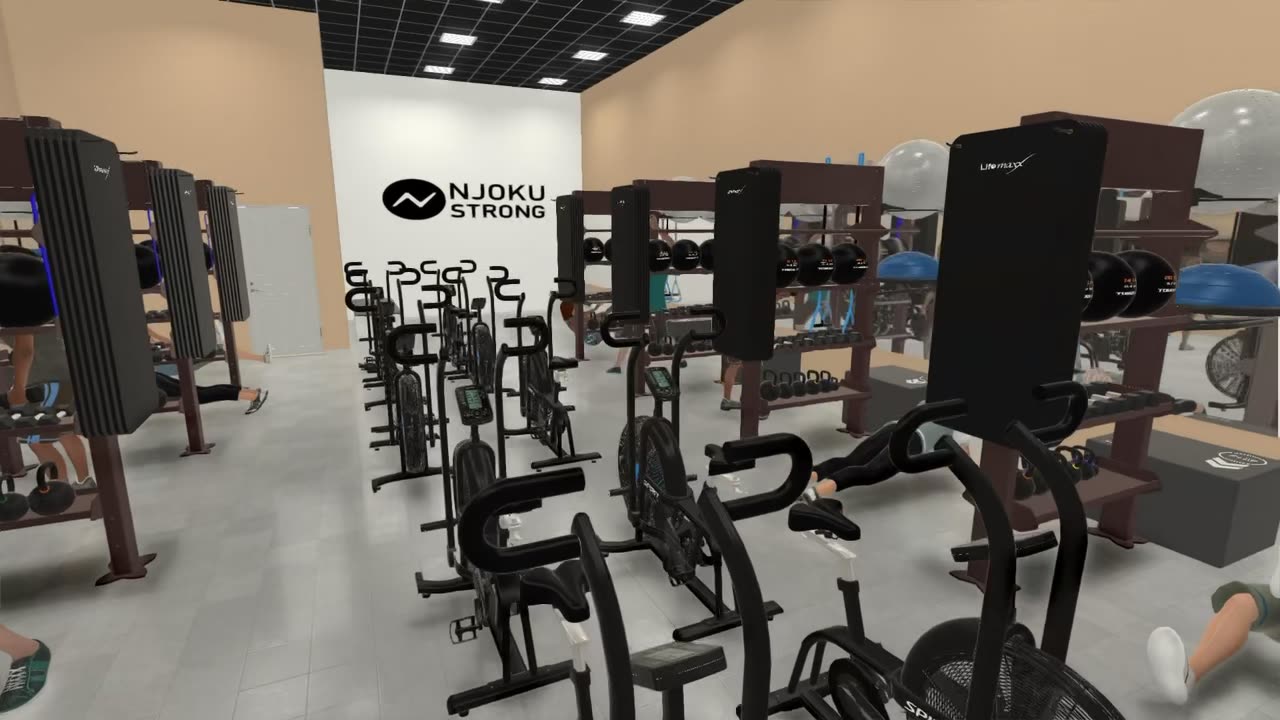
High-intensity interval training earns its popularity: short, demanding, and effective when it is programmed with respect for recovery. It also produces more overuse injuries than almost any format when it is not. This is the structure we coach.
What "full-body" buys you
Intervals built on compound movements — squats, presses, hinges, carries — spread the workload across the whole body instead of grinding one joint. That is the honest advantage: more total work, fewer repeated impacts in one place, and movement patterns that transfer to real life.
A sensible session skeleton
- Warm-up (5+ minutes): dynamic movement first — the intervals will not warm you up safely on their own.
- Work intervals (20–40 seconds): compound movements at an intensity you can hold with clean form. Form breakdown, not the clock, ends an interval.
- Recovery (roughly matched to work): walking or easy movement. Cutting rest to feel harder is how quality collapses.
- Rounds: stop while movement is still crisp. More rounds with degraded form is worse training, not more training.
- Cool-down: a few unhurried minutes of easy movement and breathing.
Joint-friendly is a choice, not a claim
"Low-impact" is a property of exercise selection, not a marketing category. Swaps like step-back lunges instead of jump lunges, or sled work instead of repeated jumping, keep intensity high while cutting impact. If a movement hurts — not burns, hurts — the answer is a different movement, not more courage.
Where EMS fits
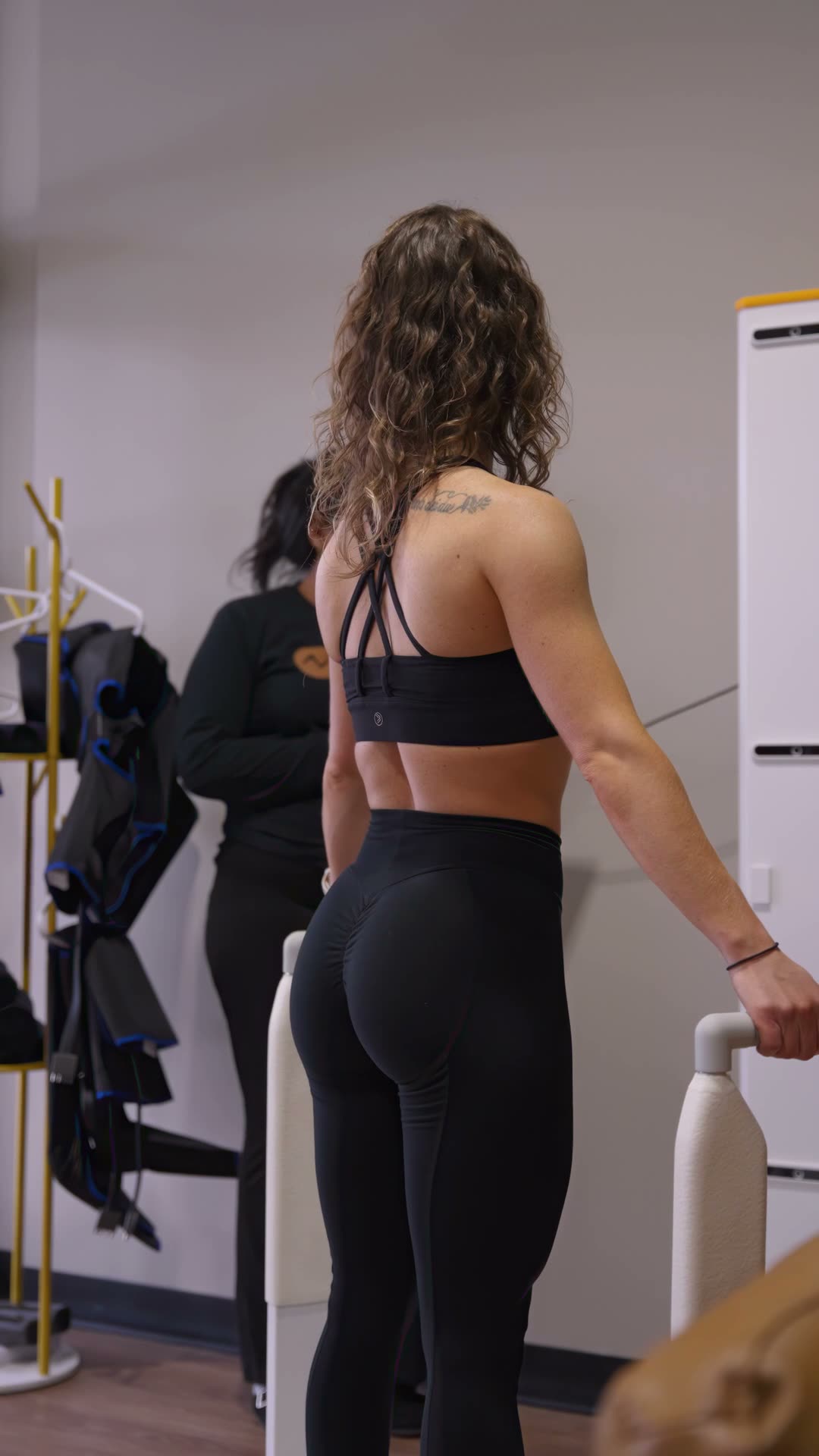
Coached whole-body EMS work occupies a similar time footprint to a HIIT session — short, dense, supervised — with stimulation instead of impact providing much of the training stress. Some of our members alternate the two; some use EMS while recovering from a joint issue. Which mix makes sense for you is a readiness-and-goals conversation, not a blog conclusion.
Recovery is part of the program
High-intensity work only pays off if you absorb it: sleep, protein, spacing hard days apart, and using structured recovery deliberately. If your week has more hard sessions than easy ones, it is not a hard program — it is an unfinished one.
This article is education, not medical advice or an individual training prescription. Get cleared by your clinician before starting high-intensity training, especially with a history of cardiovascular or joint issues.