Most people treat recovery as a reward — a sauna when you feel like it, a massage when something hurts. We treat it as the other half of the program, scheduled with the same seriousness as a training session. Here is the reasoning.
Training is the stimulus; recovery is when you adapt
A hard session does not make you stronger by itself — it creates the demand your body adapts to between sessions. Sleep, nutrition, and deliberate recovery practices are the window where that adaptation happens. Skip the window often enough and training stops working and starts wearing.
A suite is not a strategy
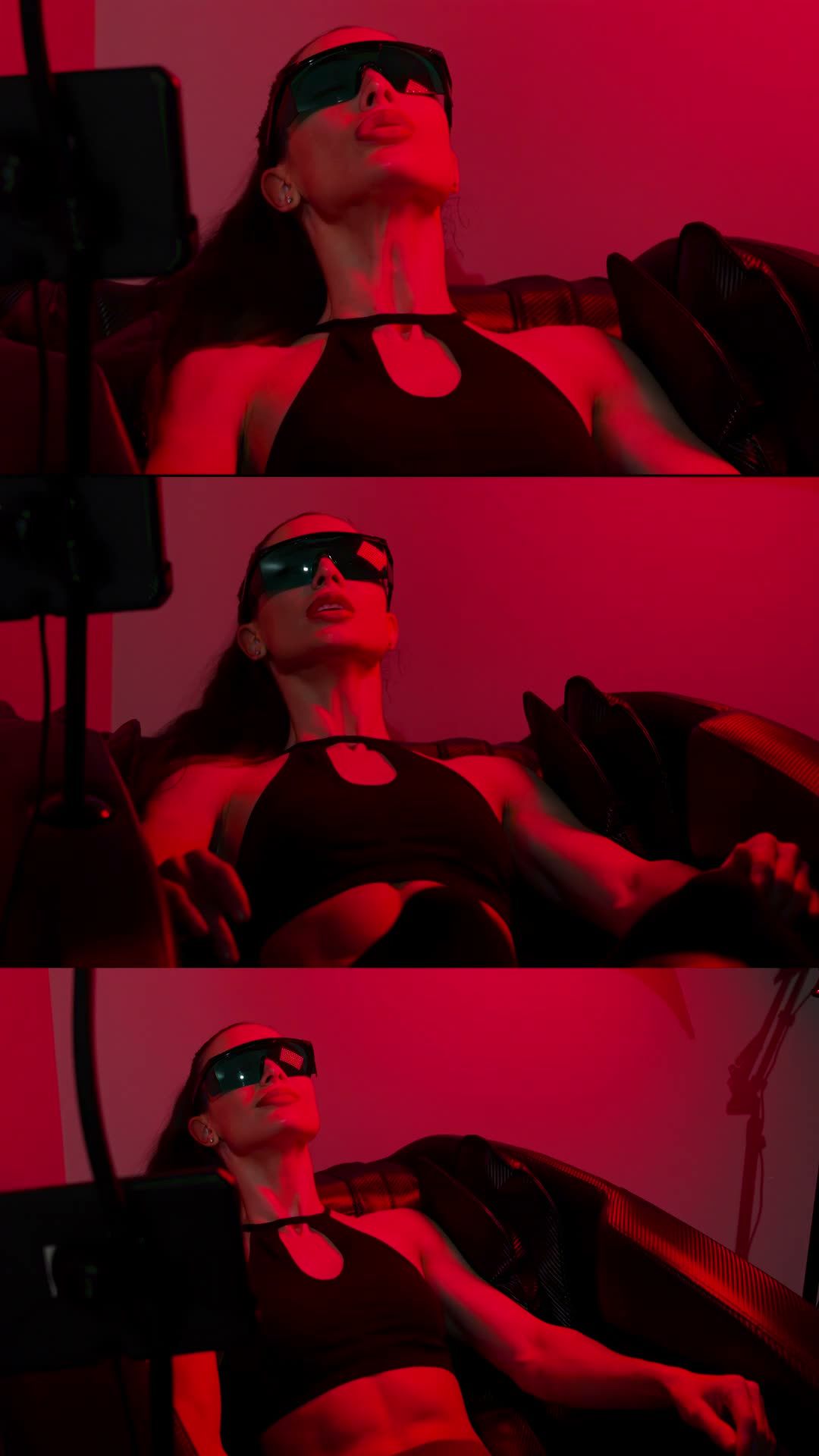
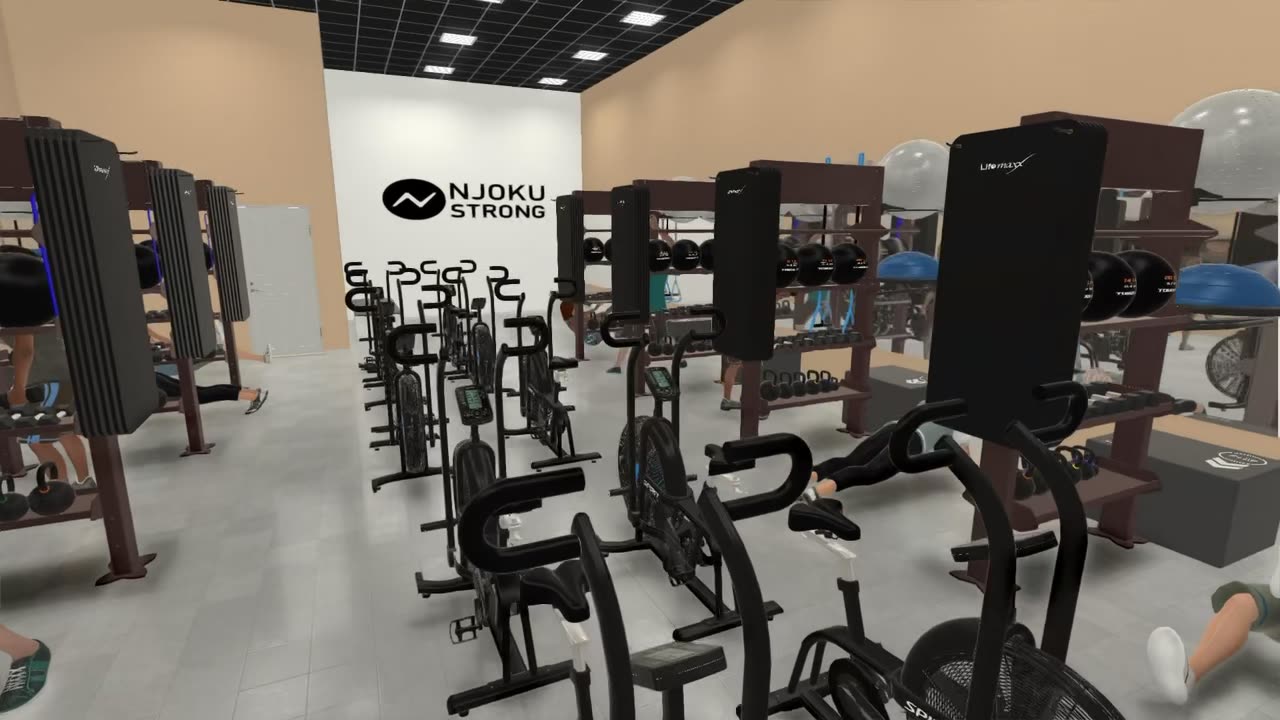
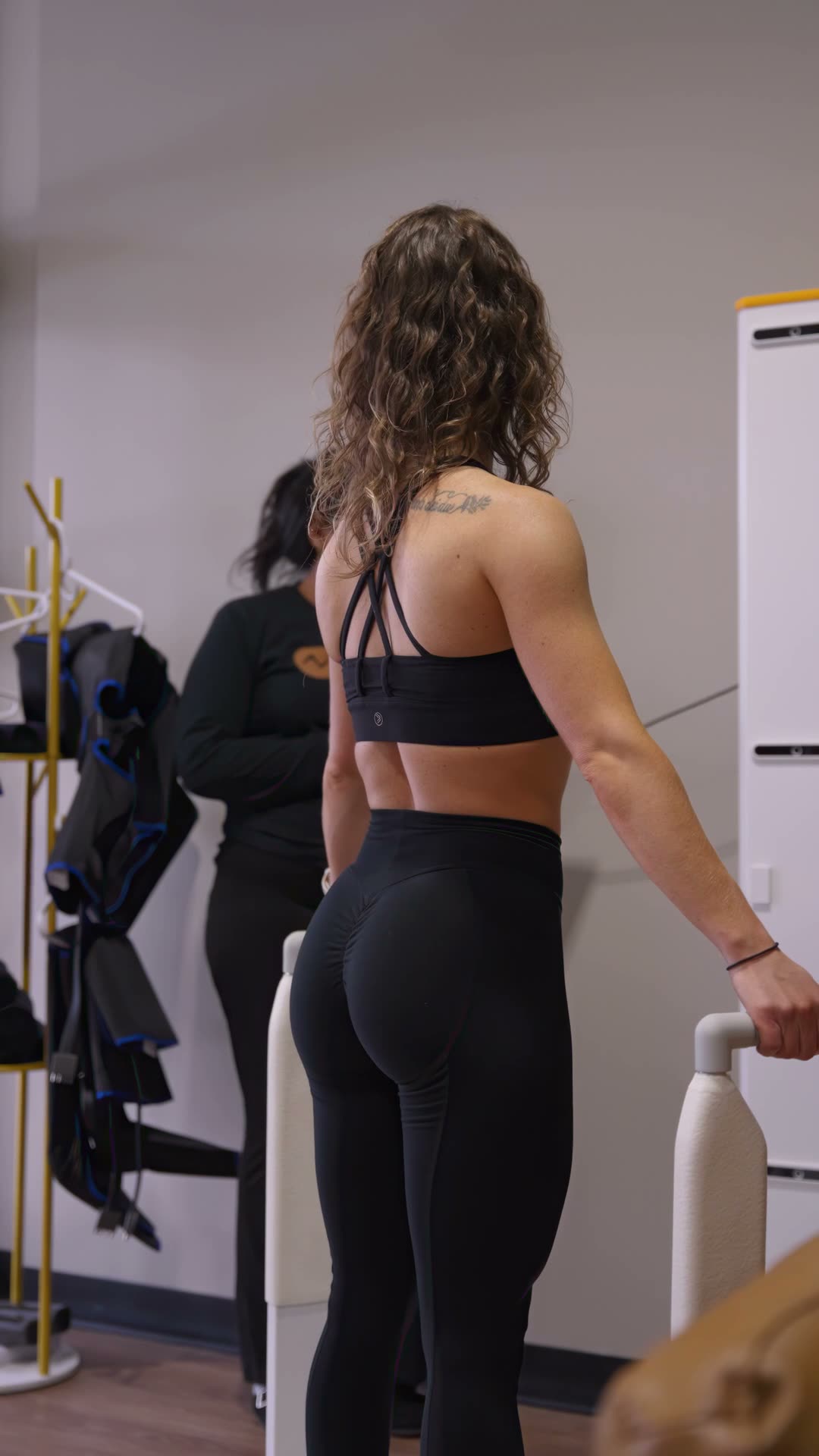
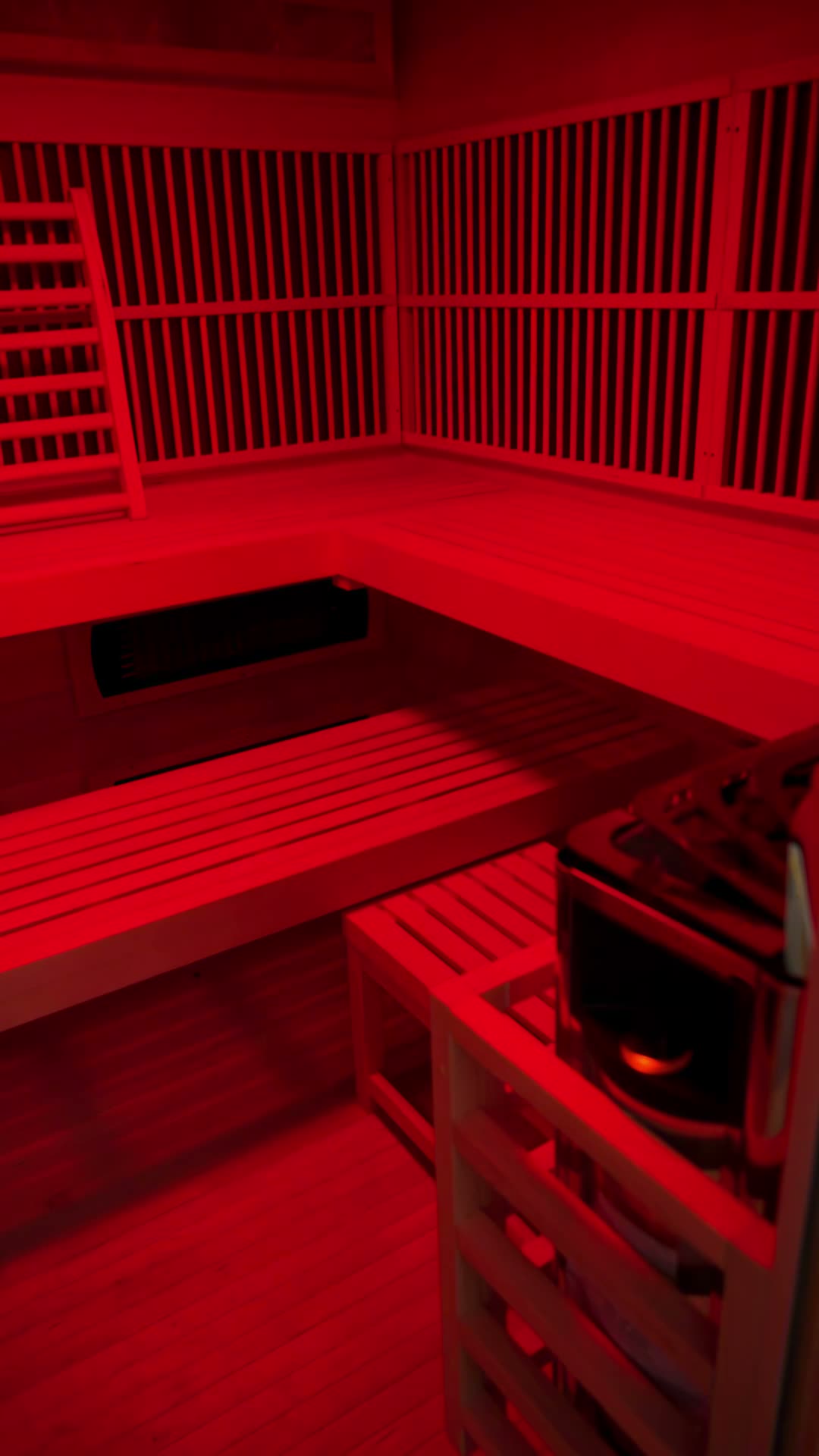
Our recovery floor includes infrared sauna, red light, therapeutic massage, assisted stretch, and compression — but a list of modalities is not a plan. What matters is structure: which practices, in what order, at what point in your training week, for your body and schedule. That is a coaching decision, and at Njoku Strong it is made with you, not left to whichever machine is free.
How we think about the common modalities
- Heat (infrared sauna). Many members use scheduled heat sessions as a deliberate wind-down that may support relaxation and a consistent recovery routine.
- Red light. An emerging area we treat honestly: we position sessions as part of a structured routine, not a guaranteed physiological outcome.
- Massage and assisted stretch. Hands-on work that may support comfort and mobility — most valuable when it recurs on a schedule rather than rescuing a bad week.
- Compression. A low-effort, time-boxed option many members pair with education time or simple breath work.
Notice the pattern in that language: may support. Responses differ between people, and recovery practices complement — never replace — sleep, nutrition, and sensible training loads.
The practical rule we give members
Put recovery on the calendar before the week starts, at the same weight as training. If you train twice a week, anchor at least one structured recovery block against it. Consistency beats intensity here too.
This article is education, not medical advice. Recovery modalities are wellness practices, not treatments; talk to your own clinician about your specific health circumstances.