Coached, always
EMS sessions at Njoku Strong are one-coach-guided from warm-up to cool-down. Intensity is adjusted to you in real time — you are never handed equipment and left alone.
Education first · Physician-founded
This is the load side — training is one of the six modalities of the Njoku Strong longevity system, not the whole of it. Whole-body electro-muscle stimulation (EMS) pairs low-frequency electrical impulses with coached movement: a suit with electrodes over the major muscle groups adds stimulation while you perform simple, supervised exercises. Every EMS program starts with a brief readiness and safety check-in.
Before active participation, participants complete a brief readiness and safety check-in with Njoku Strong staff.
How we run it
EMS sessions at Njoku Strong are one-coach-guided from warm-up to cool-down. Intensity is adjusted to you in real time — you are never handed equipment and left alone.
Before active participation, participants complete a brief readiness and safety check-in with Njoku Strong staff. Certain conditions and devices are not compatible with EMS, and staff check for them during that check-in.
Sessions are short and structured — roughly twenty coached minutes — which is why EMS appeals to people whose schedules have squeezed training out.
EMS is one discipline inside a larger plan: coached strength work, structured recovery, and education. It is a tool, not a magic suit.
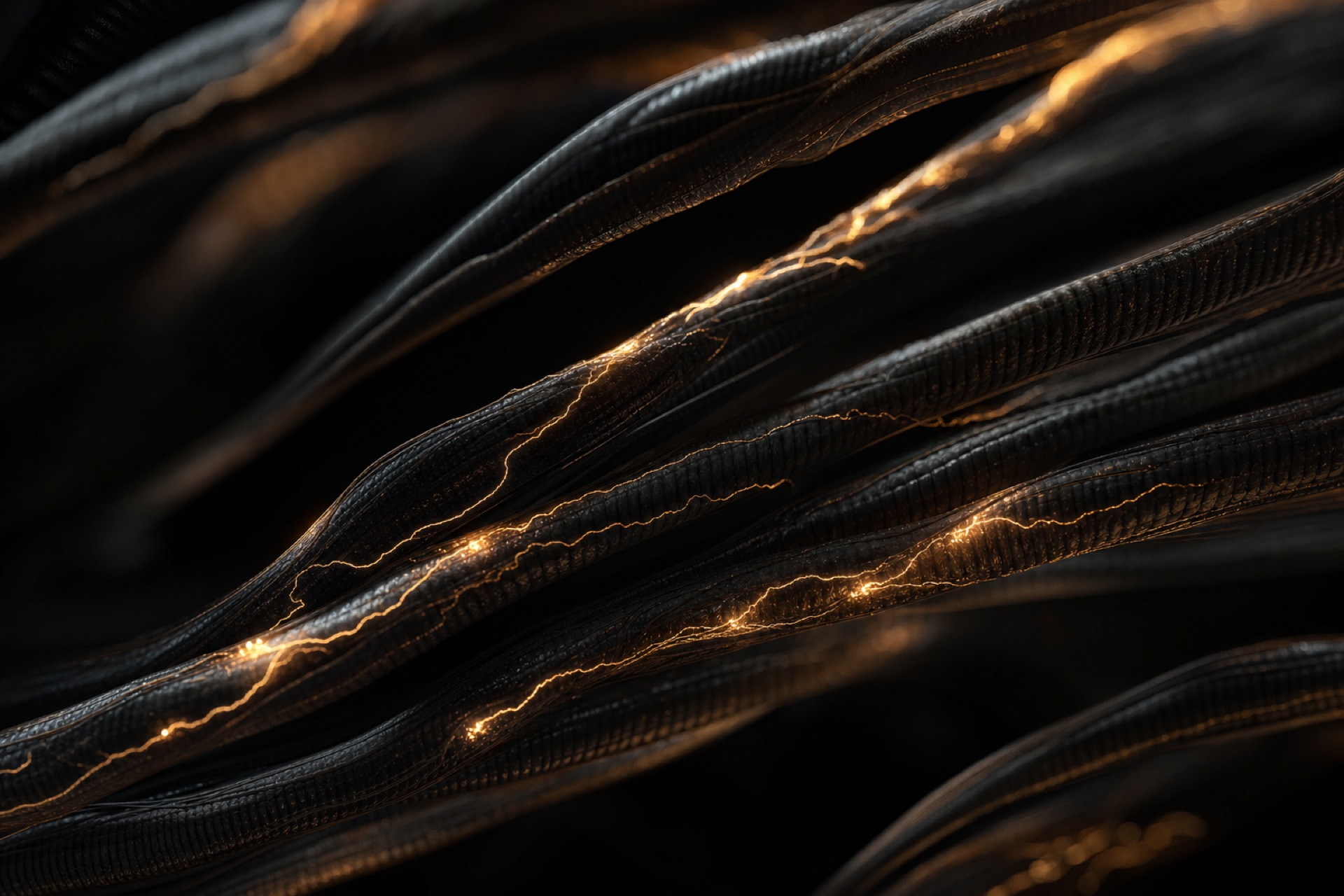
Photoreal EMS education visual: an external signal, suit routing, and voluntary coached movement are presented as mechanism labels only. The visual shows routing to muscle regions only and does not claim outcomes.
Before you book
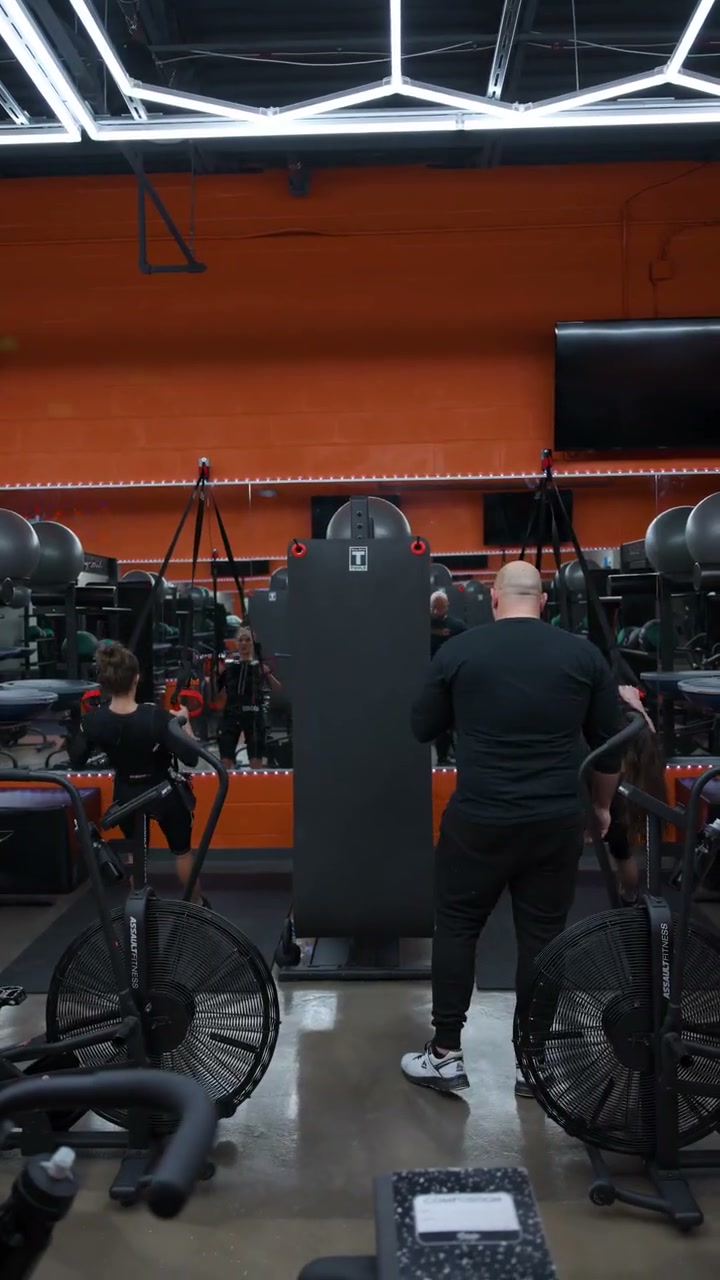
EMS is easier to judge with your own eyes than from a paragraph. Beside this is unstaged footage from an ordinary training day in Westlake: a member being fitted at the suit rack, which is how every session here starts.
Nothing in it replaces the readiness and safety check-in — that still comes first, every time. Book the consultation and we will fit the suit on you and walk you through it in person.
What we will not tell you
You may have seen bold statistics attached to EMS marketing elsewhere. We deliberately do not lead with numbers here: individual responses to training vary, and we would rather set honest expectations in a conversation than impress you with claims on a web page. Coached EMS training may support strength and conditioning as part of a consistent program — the consultation is where we discuss what that could realistically look like for you.
Njoku Strong provides fitness training and education, not medical treatment or diagnosis.
Where EMS fits
EMS earns its place inside a larger system. Explore the pillars your plan draws on — including the personal EMS suit for members who train beyond the studio.
Hover or tab through the six modalities — plus Education, the manual. Each one links to its page.
You wear a stimulation suit while performing simple, coached movements. The stimulation feels like a deep, rhythmic muscle contraction; your coach tunes the intensity channel by channel so it stays controlled and appropriate for you.
That is exactly what the readiness and safety check-in answers. EMS is not appropriate for everyone — including people with certain implanted devices or medical conditions — which is why, before active participation, participants complete a brief readiness and safety check-in with Njoku Strong staff. That check-in is how we decide whether to train you; it is not a medical evaluation, and if anything in it needs a clinician, we tell you to see yours.
We treat EMS as a complement to coached strength training and recovery, not a replacement for movement. Your plan may combine EMS sessions with classes and recovery work depending on your goals.
We do not promise numbers. Consistent, coached training may support strength, muscle engagement, and time-efficient conditioning — your consultation is where we set expectations honestly against your starting point.
Ready for ongoing training? See memberships — and how the recovery suite supports the work.
Not sure where to start? Build your Longevity Baseline.
See the Longevity BaselineOne system · Eight doors
Training is the load side — one of the six modalities of the system, never the whole plan.
Whatever path you take, it starts the same way — a conversation, a readiness check-in, and a plan.