Electro-muscle stimulation (EMS) training gets marketed with big numbers and bigger promises. Here is the version we would tell a friend — what it is, how a session actually runs, and where the honest limits are.
The plain-language version
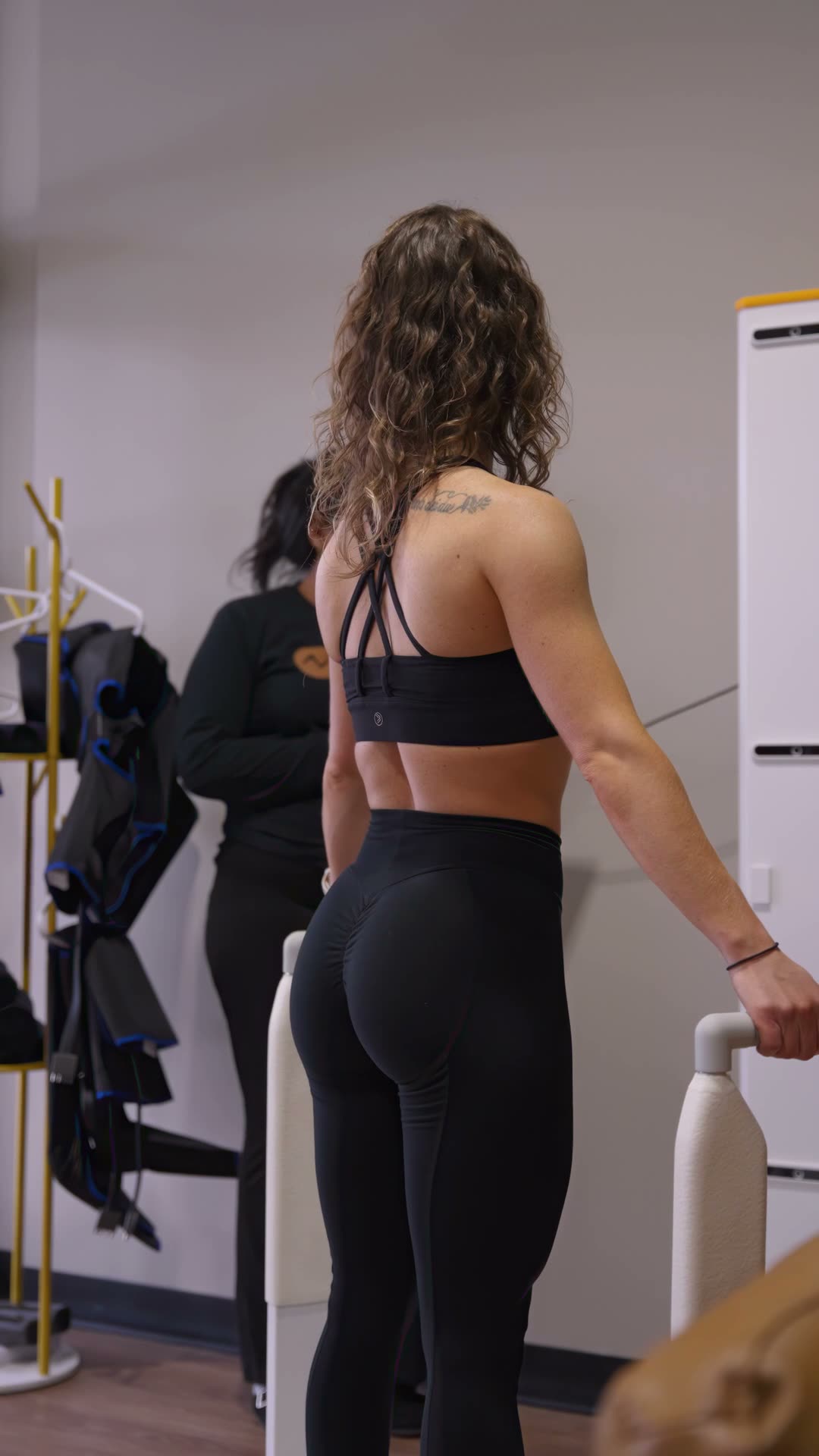
In a whole-body EMS session you wear a fitted suit with electrodes positioned over the major muscle groups. While you perform simple, coached movements, the suit delivers low-frequency electrical impulses that add stimulation to the muscles you are already using. The sensation is a deep, rhythmic contraction — unusual at first, controlled throughout, and adjusted channel by channel by your coach.
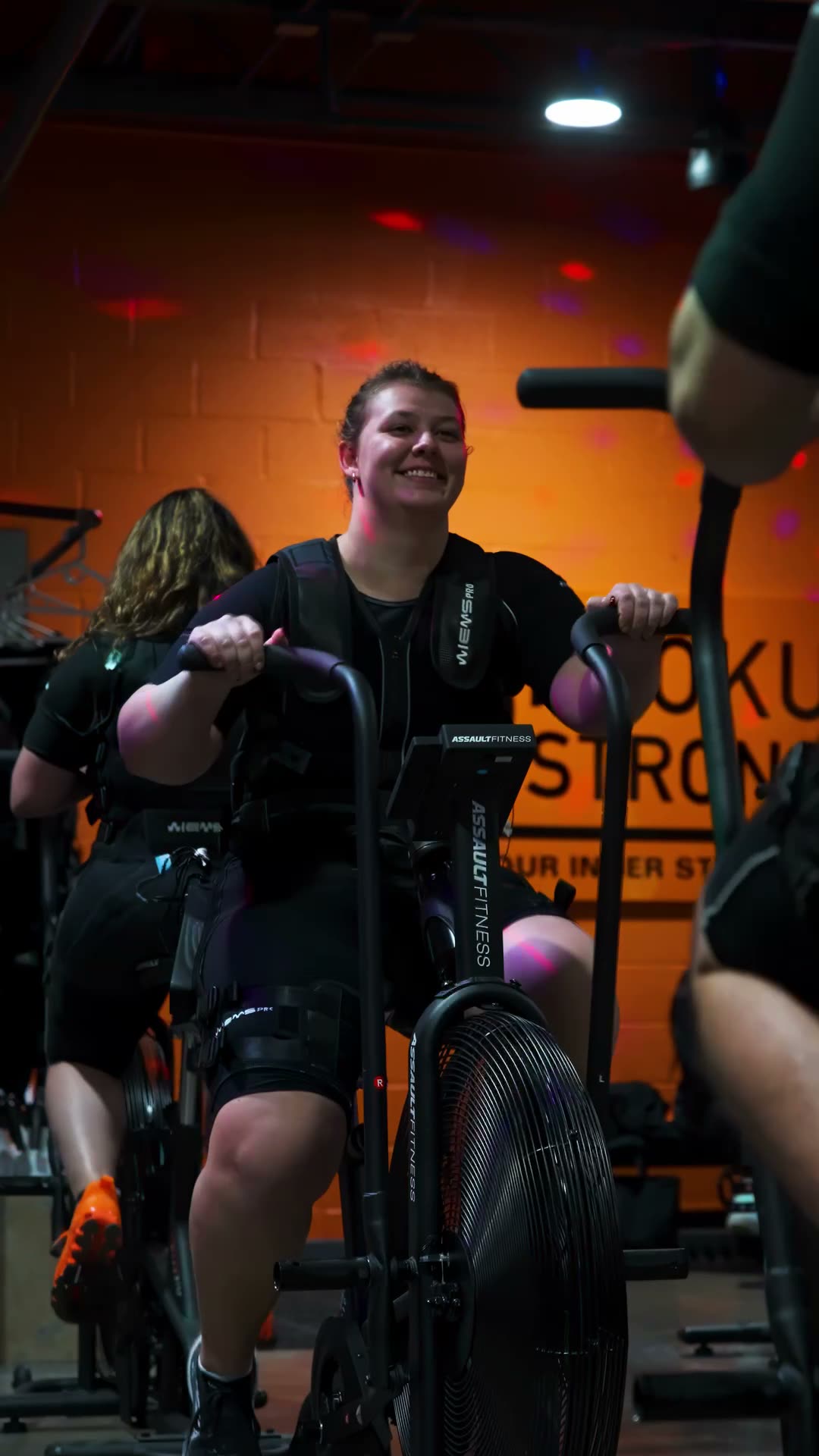
What a session at Njoku Strong looks like
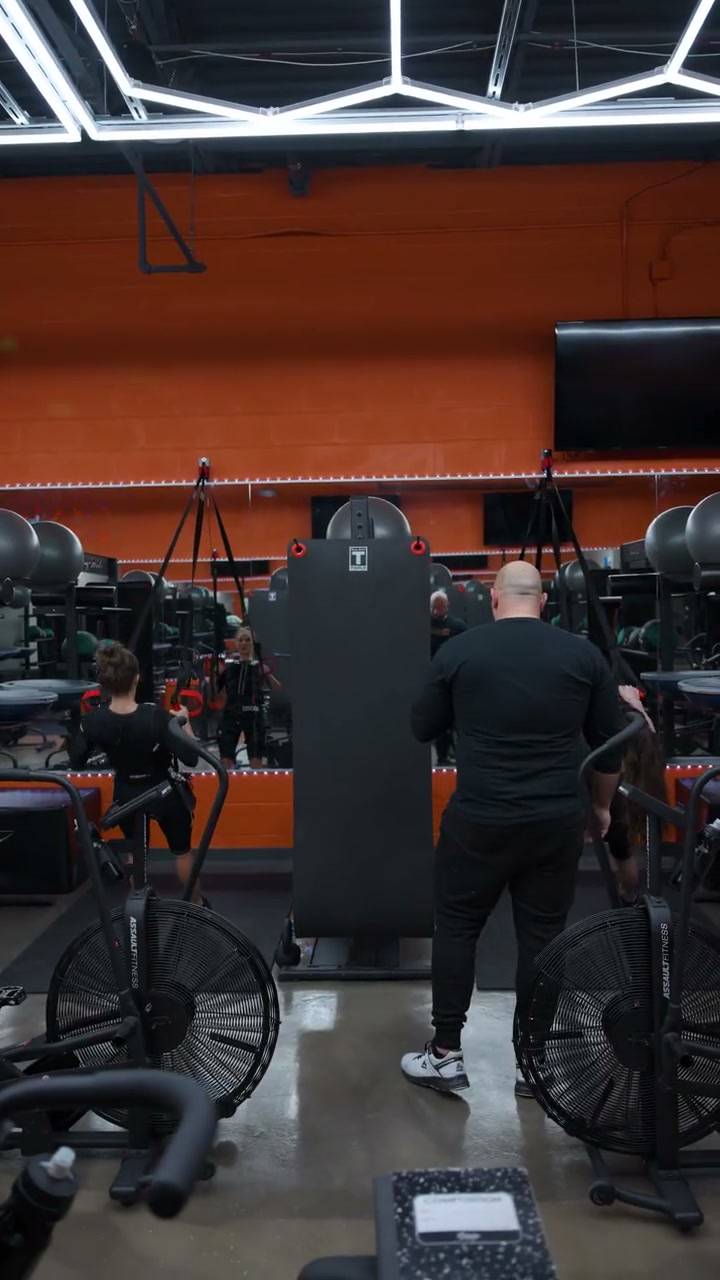
Sessions are short — roughly twenty coached minutes — and never unsupervised. A coach guides the warm-up, the movement sequence, and the intensity settings in real time. That coaching is the point: EMS is a tool inside a structured strength and recovery program, not a machine you rent time on.
Why a readiness check-in comes first
EMS is not appropriate for everyone. Certain implanted electrical devices and certain medical conditions are not compatible with this kind of stimulation. That is why, before active participation, participants complete a brief readiness and safety check-in with Njoku Strong staff. That check-in is how we decide whether to train you; it is not a medical evaluation. If EMS is not a fit for you, we say so and build around it.
What we won’t claim
You may have seen statistics elsewhere about muscle-fiber recruitment percentages or contraction counts per session. We deliberately do not lead with numbers like those: individual responses to training vary widely, and education is only useful when it is careful. What we will say is modest and defensible — consistent, coached EMS work may support strength and time-efficient conditioning as part of a complete program that includes recovery and progression.
What it isn’t
- It is not a replacement for movement, strength work, or sleep.
- It is not a medical treatment, and a session is not a medical appointment.
- It is not a shortcut that removes the need for consistency — nothing is.
This article is education, not medical advice. Njoku Strong provides fitness training and education; talk to your own clinician about your specific health circumstances.