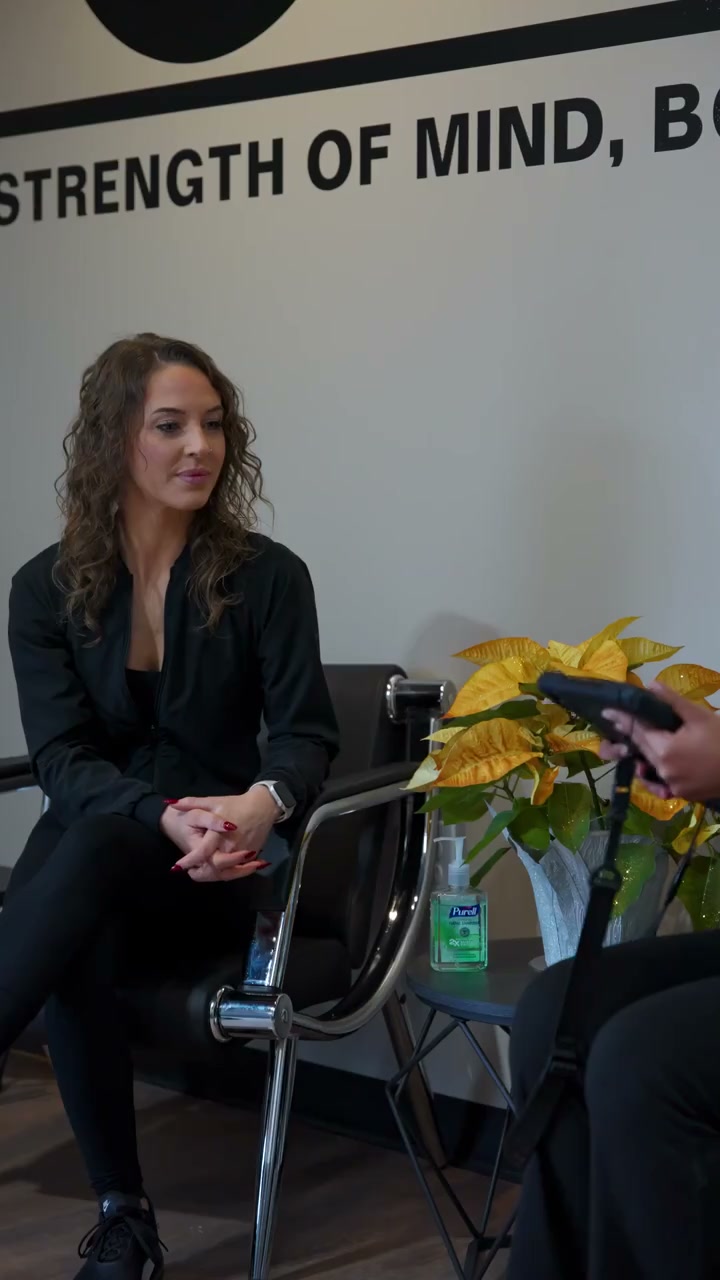
Most fitness programs fail at the start line: a plan gets sold before anyone asks the questions that determine whether it fits. Whether you train with us or anywhere else, this is what a serious first consultation looks like.
The four things a real consult establishes
- History. Injuries, surgeries, conditions, medications, what training you have actually sustained before and what ended it. A consultant who does not ask cannot program responsibly.
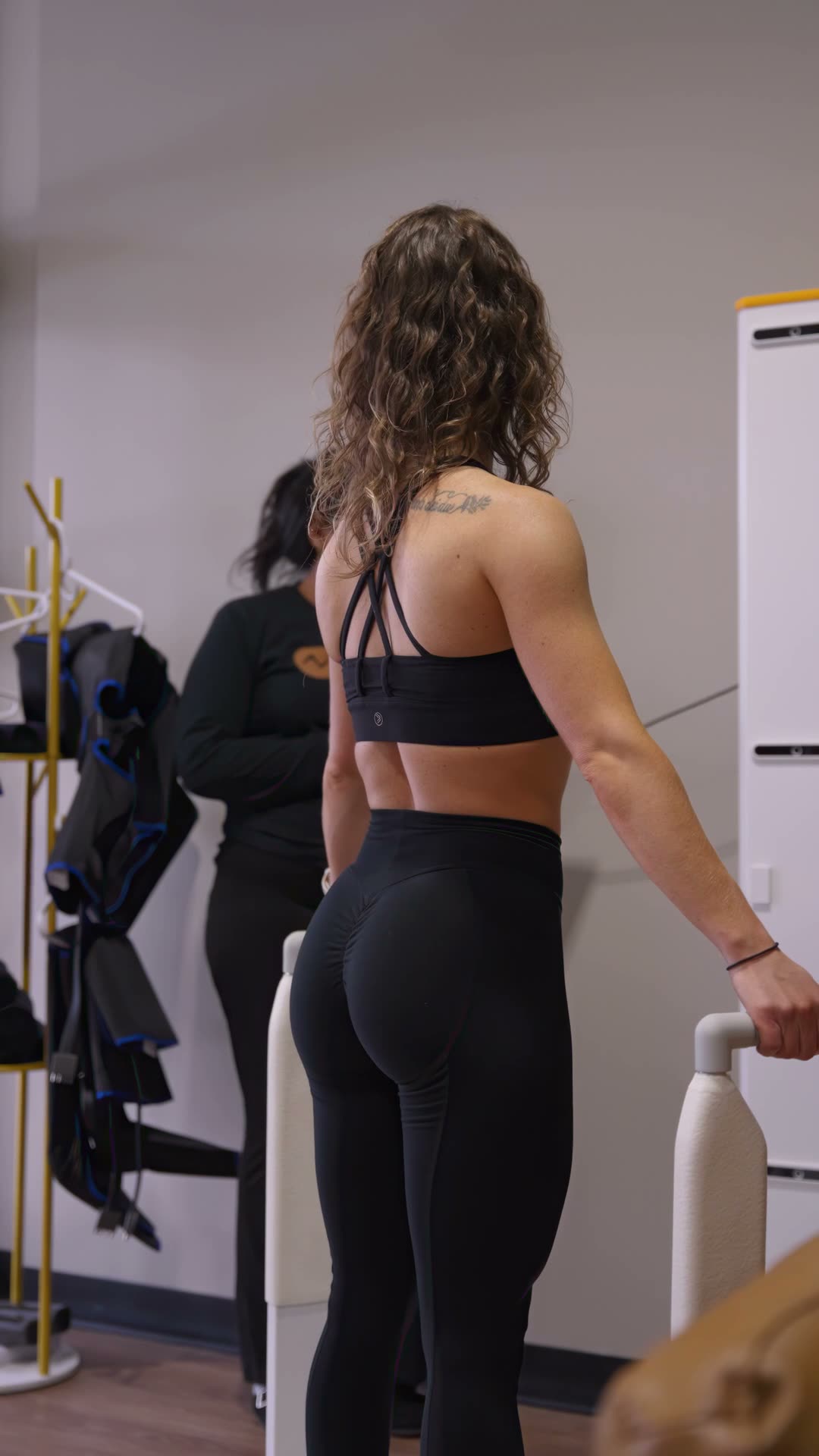
- Screening. Anything that changes what is safe — for EMS specifically, implanted electrical devices and certain conditions rule it out. Screening before selling, always.
- Goals with numbers and dates. "Get fit" is not a goal; "carry my grandchild up the stairs without knee pain by spring" is. Specific goals make honest programming — and honest no's — possible.
- Constraints. Time, budget, travel, stress, sleep. The best program is the one your actual life can absorb, not the one that looks best on paper.
What you should leave with
A clear recommendation — including which services you do not need — a starting structure with a review date, and plain written terms. If a consultation functions purely as a sales meeting, treat it as one.
Signs to walk away
- Guaranteed outcomes or timelines ("lose X in Y weeks").
- No health questions before intensity is prescribed.
- Pressure to sign a long commitment on the first visit.
- One-size programming regardless of your history.
How we run ours
The Njoku Strong consultation is complimentary, and structured exactly as above: history, a readiness check-in, goals, constraints, then a recommendation. Sometimes that recommendation is a structured trial; sometimes it is a referral elsewhere. Both are good outcomes — the point is fit, not conversion.
This article is education, not medical advice. A fitness consultation is not a medical appointment and does not replace care from your own clinician.