"How much does EMS cost?" is usually the second question people ask us — right after "does it work?" The honest answer is that price follows what is actually included, and EMS offers vary widely. Here is how to read a price tag before you commit.
Why EMS sessions cost more than a gym visit
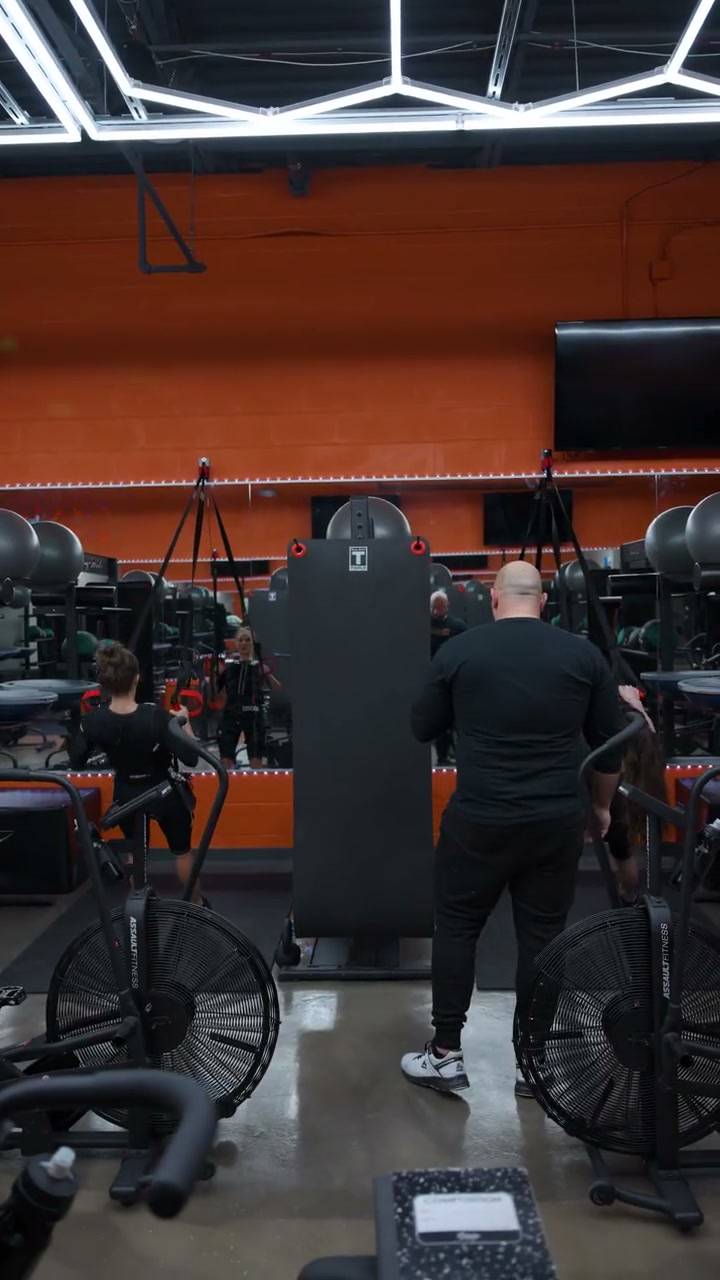
A whole-body EMS session is not access to a room of equipment — it is a supervised, coached appointment. In a serious studio you are paying for four things at once:
- Coaching ratio. EMS intensity is adjusted channel by channel, in real time, by a person watching you move. That one-on-one or small-group attention is the largest cost driver — and the part we would never remove.
- Readiness check-in and programming. Responsible EMS starts with a readiness check-in and a plan, not a suit. Studios that skip this step are cheaper for a reason.
- Equipment and hygiene. Certified EMS systems, fitted suits, and per-session laundering are real recurring costs.
- Session design. Twenty coached minutes only works when the programming around it — progression, recovery, rest spacing — is done for you.
How to compare offers
When you compare EMS pricing across studios, put the offers on equal footing. Ask each provider:
- Is a readiness check-in included before the first session?
- Is every session supervised, and at what coaching ratio?
- What does a package price assume about visit frequency?
- Are recovery services included or priced separately?
- What are the commitment and cancellation terms, in writing?
A low per-session price with no readiness check-in, minimal supervision, and a long lock-in is not a better deal — it is a different, and in our view worse, product.
What we publish, and where
We deliberately do not quote membership and package prices inside articles, because articles go stale and pricing deserves one accurate source. Current plans, packages, and terms live on our memberships page, and a structured trial exists precisely so you can evaluate the coached experience before committing to anything.
Is it worth it?
That depends on what your time is worth and what you need. EMS training is a time-efficient, coached, joint-conscious way to train — it is not the cheapest way to move, and we will not pretend otherwise. If your constraint is time and your priority is supervised quality, it is a rational spend. If your constraint is budget, we would rather tell you that plainly at a consultation than sell you the wrong plan.
This article is education, not financial or medical advice. Pricing referenced on linked pages is the only pricing we publish; any figure you find elsewhere may be out of date.