You will find EMS marketed with astonishing numbers — calories, contractions, "equivalent hours" of training. We run an EMS studio and we will not repeat those numbers. Here is the more useful question: effective at what, for whom, under what conditions?
What EMS actually does
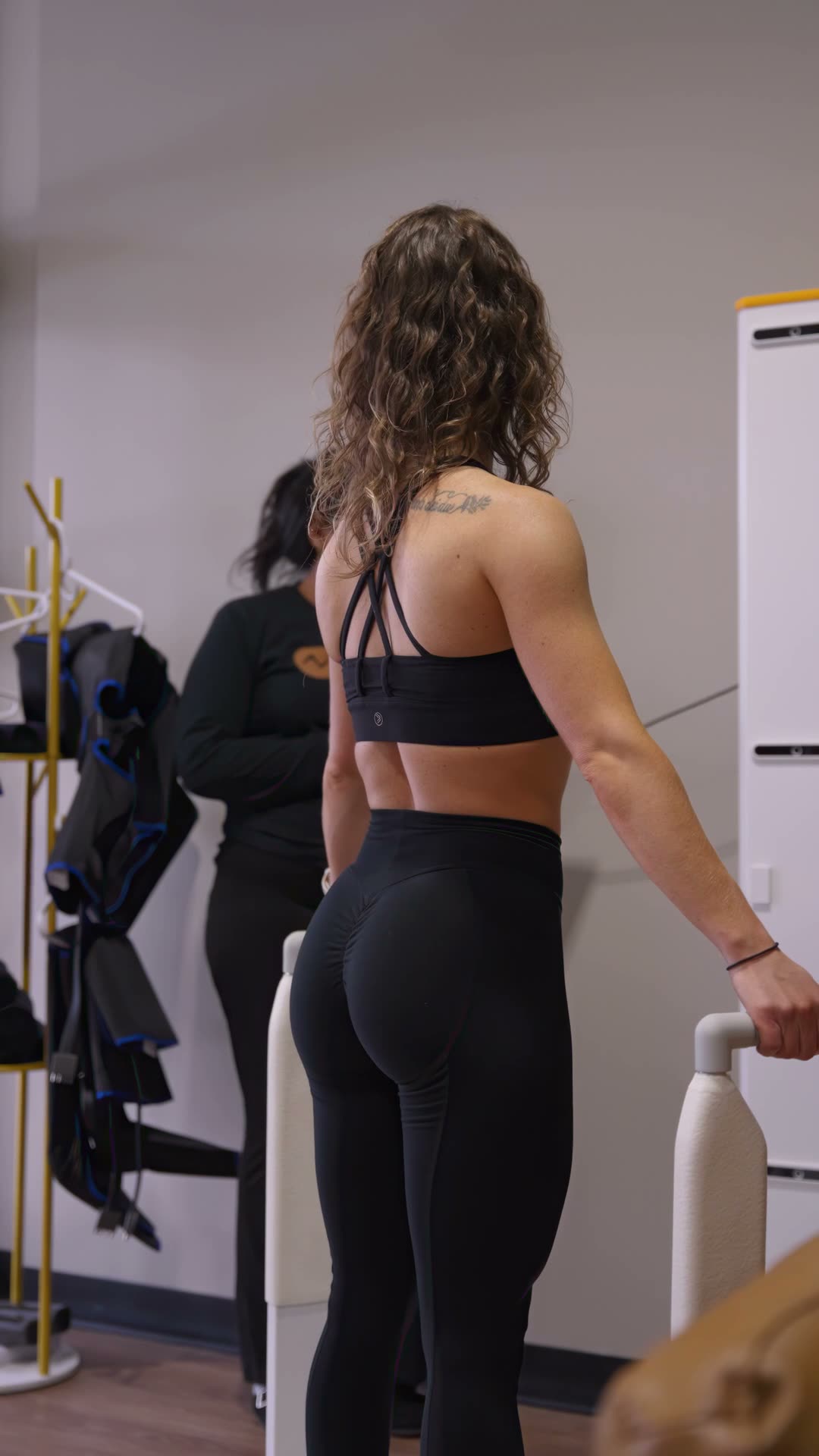
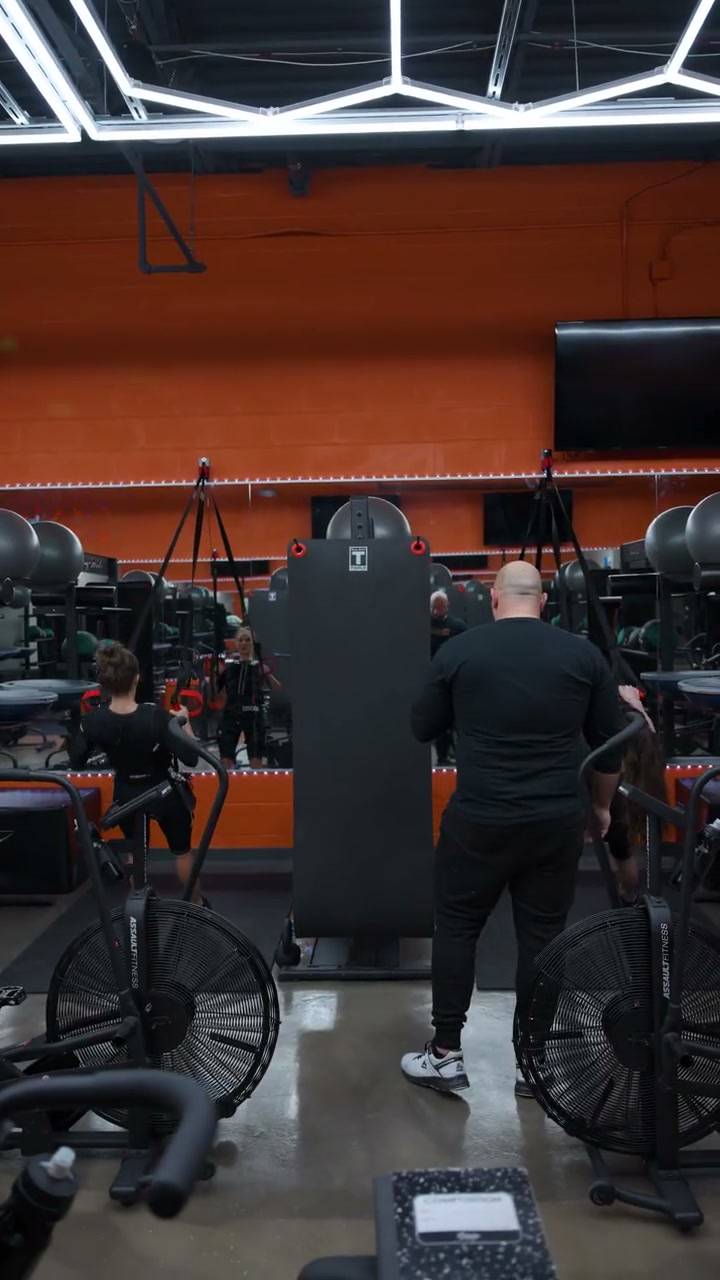
Whole-body EMS adds low-frequency electrical stimulation to muscles while you perform simple, coached movements. The stimulation produces contractions alongside your voluntary effort. That is the whole mechanism — no fat is "melted," no fitness is downloaded. What you get is a dense, supervised, low-impact training stimulus in a short session.
What research suggests — carefully
Electrical muscle stimulation has a long history in rehabilitation settings, where clinicians use it to help maintain muscle activity when voluntary training is limited. For whole-body EMS in healthy adults, published studies are smaller and shorter than we would like, and findings vary. Stated conservatively: consistent, supervised EMS training combined with voluntary exercise may support strength and conditioning comparable to time-matched conventional training for some people — and individual responses vary widely. We deliberately do not cite specific percentage gains here, because we hold marketing claims to the same standard we would want as patients.
What EMS cannot do
- It does not spot-reduce fat. No training method does. Body composition change comes from overall energy balance, training, sleep, and nutrition.
- It does not replace movement. EMS is a supplement to a training life, not a substitute for one.
- It is not for everyone. Certain implanted electrical devices and certain medical conditions are incompatible with EMS. That is why a readiness and safety check-in precedes every first session here.
How we judge effectiveness at the studio
We measure the boring things: session consistency, movement quality, progressive load, how you recover, and how you feel and function week to week. If EMS is working for you, it shows up there — not in a slogan. And if a different training structure would serve you better, a physician-founded studio should say so.
This article is education, not medical advice, and deliberately avoids quantified outcome claims. Talk to your own clinician about your specific health circumstances, and see our FAQ for readiness check-in details.